How Optimized Images and Accessibility Boost Page Performance
Image tuning and accessibility are often treated as separate tasks, but in strong web design they work in tandem to boost website performance, usability, and discoverability. Optimized visuals reduce load time, while accessible visuals make content easier to notice, grasp, and move through for more visitors. That combination supports better engagement, lower bounce rate, and stronger results from SEO services and digital marketing.
For businesses in Hempstead, NY, these details matter even more. Hempstead is part of Nassau County on Long Island, where local search competition is active and many users browse on mobile devices while commuting, running errands, or comparing nearby providers on the go. Fast, readable pages can make the difference between a new lead and a lost visit.
Explaining image optimization means in web design
In web design, image optimization is about getting visual content so it looks good without slowing the site down. That includes choosing the right file format, using the correct image dimensions, applying image compression, and serving responsive images that fit different devices. The goal is to preserve quality while reducing file weight and improving rendering.
Image optimization also supports better site architecture. When images are sized correctly and delivered efficiently, pages use less bandwidth, load faster, and provide a smoother mobile-first experience. That matters for product pages, service pages, blog posts, and landing pages where visual content plays a major role in engagement.
Common optimization decisions include:
- Using smaller file sizes without visible quality loss
- Aligning image dimensions to the display area
- Using responsive images for different screen sizes
- Minimizing unnecessary visual clutter
- Weighing visual appeal with load time
Good image optimization is not just about speed. It also improves crawlability and indexing because search engines can process pages more efficiently when large media files are under control. In practice, that means your visual content helps the page rather than holding it back.
How accessible design boosts website performance for everyone
Accessible design enhances website functionality by turning content easy to use for a wider audience, including people who depend on screen readers or other assistive technology. Accessible design ensures information is detectable, usable, and clear, which promotes both inclusion and usability.
For images, this starts with alt text. Alt text offers a text alternative for visual content, helping users grasp the meaning of an image when it cannot be seen. It also helps search engines interpret the page more accurately. When images are decorative, they should be treated correctly so they do not create noise for assistive technology.
Accessible design boosts performance in practical ways:
- It helps reduce confusion for visitors using non-visual browsing tools
- It encourages faster comprehension of the page’s purpose
- It allows users to navigate through content more efficiently
- It lowers friction for people on smaller screens or slower connections
Accessible websites often feel better to use because they rely on clear structure and semantic HTML. That clarity boosts usability for everyone, not just users with disabilities. When images have useful labels, headings are organized, and content is easy to scan, visitors are more likely to stay engaged and continue through the site.
Why speedier images support SEO services and search visibility
SEO services are driven by performance signals, and images are a major part of that balance. Search engines evaluate Core Web Vitals, page speed, and overall rendering quality to assess whether a page offers a good user experience. Oversized, delayed images can delay the main content from appearing and increase the chance that users leave before interacting.
Faster images support search visibility in several ways. They lower load time, improve mobile performance, and help the page become usable sooner. That can positively affect engagement and lower bounce rate, both of which matter in competitive search environments. In other words, performance helps the page earn attention, and attention helps the page perform better in search.
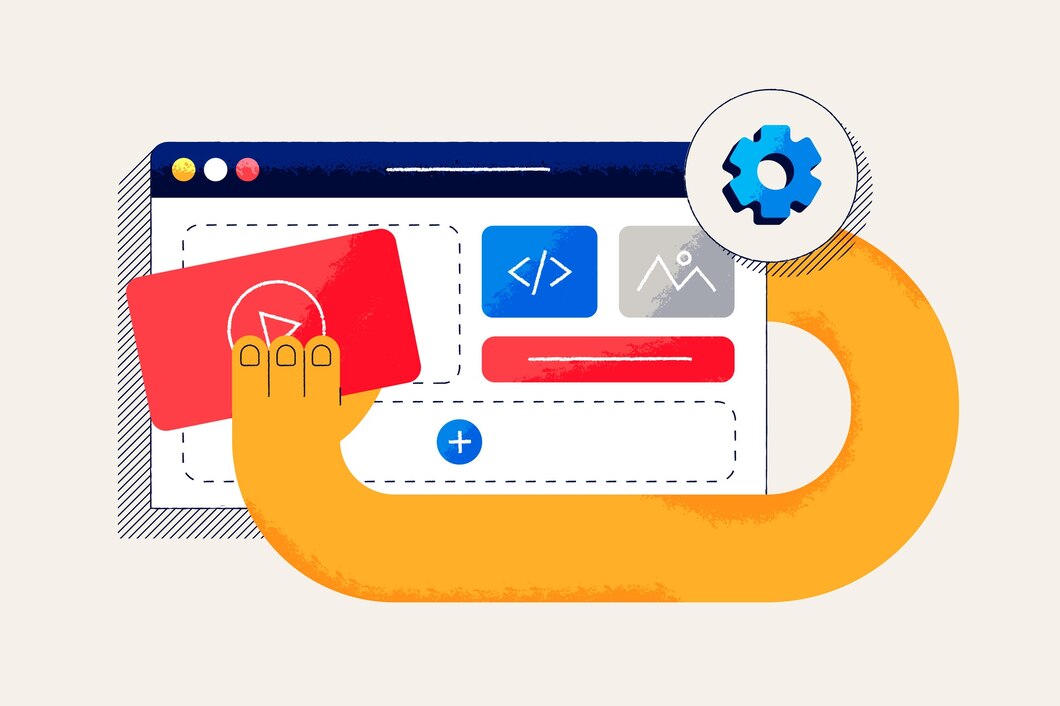
Image-heavy pages can also affect how quickly search engines crawl and process a website. If a site is overloaded with oversized visuals, important content may take longer to render. That can slow indexing and make it harder for search systems to understand what the page is about. Clean image optimization keeps the crawl process efficient.
For businesses using SEO to reach local customers, especially in areas like Hempstead, faster pages can create a meaningful edge. Strong page speed helps a website stand out in local SEO competition where many businesses are targeting the same searches and users are comparing options quickly.
The relationship between usability, UX, and digital marketing
Digital marketing works best when the website experience meets the promise of the campaign. If ads, email campaigns, or social posts direct users to a page that is slow or hard to use, the traffic may not convert. That is where user experience and accessibility directly influence the conversion rate.
A strong user experience reduces friction. Visitors can comprehend the message faster, interact with the page more easily, and move toward a desired action with less effort. Accessible design supports this by making content clearer, more readable, and easier to navigate across devices and contexts.
This connection is especially important for campaigns that depend on visual content. If a hero image, service photo, or banner takes too long to load, the first impression weakens. If the same visual lacks alt text or has poor contrast with nearby text, the message may be lost for some visitors. Digital marketing should not stop at traffic acquisition; it should support the entire journey from click to conversion.
When accessibility and UX work together, the site becomes more persuasive. Pages feel more professional, more trustworthy, and more responsive. That can lead to better engagement, more form submissions, and stronger return on marketing spend.
Recommended methods for improving images on modern websites
Contemporary image optimization is about providing the proper visual at the best time in the proper file format. A thoughtful optimization workflow considers image dimensions, device types, bandwidth, and the role each image plays in the page experience.
Several of the most useful best practices include:

- Implementing lazy loading for images below the fold so they load only when needed
- Using WebP for efficient compression and strong visual quality
- Providing files through a CDN to reduce delivery delays for users in different locations
- Compressing files before upload to reduce unnecessary weight
- Specifying accurate image dimensions to avoid layout shifts
- Using responsive images so mobile users do not download oversized assets
Lazy loading is especially useful helpful on long pages because it prevents the browser from loading every visual at once. WebP is often a solid default for modern sites because it can deliver high-quality images with smaller files than many legacy formats. A CDN supports faster delivery by delivering content from locations closer to the user, which is valuable for mobile visitors and distributed audiences.
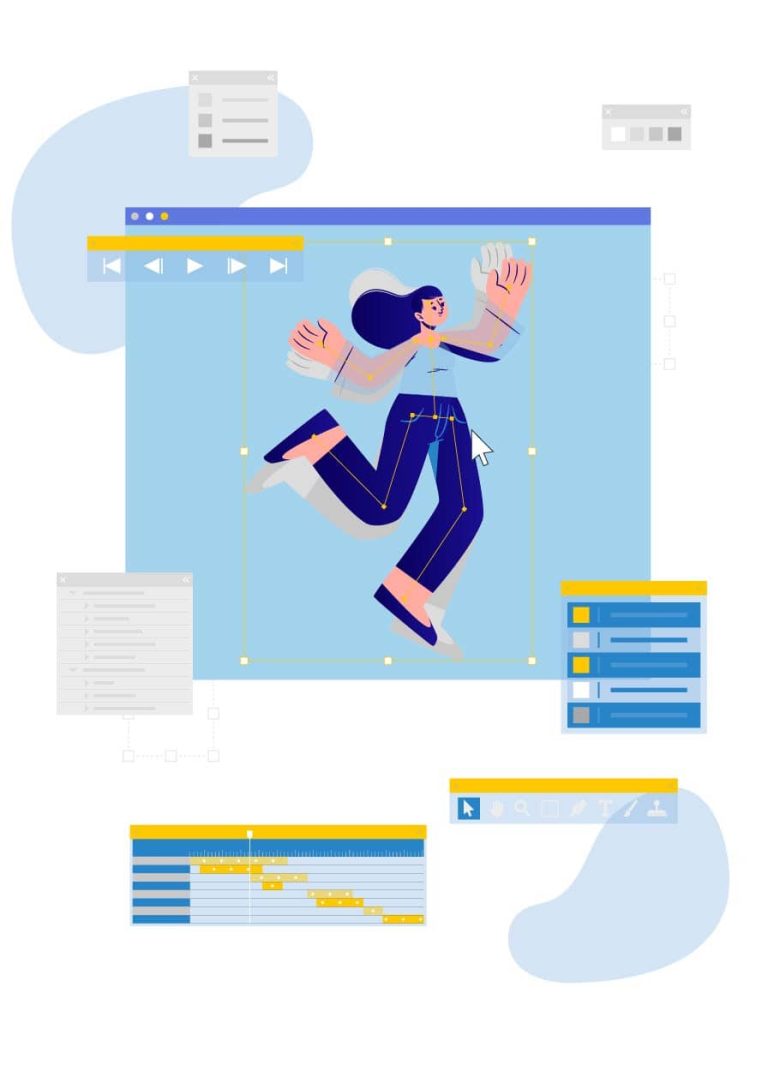
Every one of these steps improve rendering, reduce load time, and protect performance as the site grows. They also make it easier to maintain a stable, mobile-first experience across landing pages, blog content, and service pages.
Sunstone Digital Tech34 Willis Ave, Mineola, NY 11501
(315) 758-3349
https://maps.app.goo.gl/raW1XN7K3jzLKAPz9
https://sunstonedigitaltech.com/hempstead-digital-marketing-agency
40.7400795, -73.6357138
Accessibility reviews every website should pass
To improve accessibility and performance, every website should meet core standards that help users interact successfully with the content. The most recognized framework is WCAG, which gives recommendations on making web content more accessible to a broad range of people and devices.
Three checks should be part of every review:
- Color contrast needs to be sufficient so text to remain readable against backgrounds
- Keyboard navigation must enable users to access menus, forms, and controls without a mouse
- Images should include descriptive alt text when they convey meaning
WCAG compliance is more than a legal or technical exercise. It helps confirm the site is usable in everyday conditions. For example, someone browsing on a phone in bright sunlight may depend on clear contrast. Another user may rely on keyboard navigation because of a motor disability. A visitor using a screen reader needs accurate labels to understand the page structure.
Websites with accessibility often include better semantic HTML, better focus states, and clearer content hierarchy. Those improvements also support performance by making the site easier to scan and navigate. A page that is simple to use tends to feel faster, even when the total file size is similar.
How AI experts can enhance image workflow and audits
ai experts can make image management more effective by combining automation with smart review processes. In a modern workflow optimization workflow, AI can assist identify oversized files, detect missing metadata, propose image dimensions, and support recurring image auditing across a large website.
Automated tools is helpful because many image issues are recurring. A site may have dozens of files that are too large, named inconsistently, or not aligned with page templates. AI tools can more easily spot those patterns more quickly than manual review alone, giving designers and marketers more time to focus on strategy.
Here is how AI can assist with the process:
- Detecting images that exceed recommended size thresholds
- Locating pages with missing alt text
- Reviewing for inconsistent file format usage
- Highlighting opportunities for compression
- Enabling bulk image auditing across a site
That said, AI should aid the team rather than replace judgment. A human review is still important for context, especially when deciding whether an image is decorative, informative, or essential to the page. The best results come when AI experts, designers, and SEO specialists work together on a practical process that balances speed, quality, and accessibility.
Local considerations for Hempstead, NY businesses
For businesses in Hempstead, NY, image optimization and accessibility are not abstract best practices. They affect how local https://syracuse-ny-rb925.urbanvellum.com/posts/what-are-the-top-digital-marketing-services-for-small-companies customers find, compare, and contact a business. Hempstead sits in Nassau County on Long Island, where many searches come from mobile users comparing options quickly while commuting or handling errands. Nearby commuter traffic and on-the-go browsing patterns make fast-loading pages especially important.
Local audiences are also varied. Many Hempstead businesses serve residents with different language backgrounds, ages, and accessibility needs. That makes readable visuals, clear contrast, and strong alt text especially useful. A page that communicates clearly across audiences can build trust faster than one that depends on dense text or slow-loading imagery.
Local SEO competition in the Hempstead area means site speed can shape visibility as well as conversions. When two businesses provide similar services, the site that loads faster and feels easier to use may have an advantage. Strong mobile performance matters because many local searches happen on phones, often with limited patience for delays or confusing layouts.
In practical terms, that means every image on a local business website should support the page goal. A service photo should load quickly. A banner should not slow down the entire homepage. A map graphic should not replace clear contact details. Clear design and accessibility make the site more helpful for people nearby who need quick answers.
Frequent errors that damage performance and accessibility
Some of the most common issues are easy to prevent, but they can create major problems if ignored. The biggest offenders are large file sizes, missing alt text, and unoptimized images. These mistakes can slow the site, weaken accessibility, and reduce the effectiveness of SEO and digital campaigns.
Other frequent issues include:
- Using the wrong file format for the image type
- Uploading images at much larger dimensions than needed
- Forgetting to compress visuals before publishing
- Using text embedded in images without an accessible alternative
- Neglecting color contrast when placing text over graphics
These problems affect both performance and usability. Large files increase load time and bandwidth usage. Missing alt text creates barriers for users with assistive technology and weakens semantic context for search engines. Unoptimized images can also cause layout instability and a poorer mobile-first experience.
A smart way to sidestep these issues is to build image optimization and accessibility into the publishing workflow. That means reviewing assets before upload, checking pages after launch, and treating image quality as part of ongoing site maintenance rather than a one-time task.
FAQs on image improvement plus accessibility features
How exactly does image optimization enhance site performance?
Image optimization enhances website performance by reducing file size, reducing bandwidth use, and enhancing page speed. Smaller, responsive images load faster, display more smoothly, and enable pages become usable sooner on both desktop and mobile devices.
How does accessibility matter for SEO services?
Accessibility plays a role for SEO services because it boosts crawlability, indexing, and usability. Search engines process structured, accessible content more easily, and users are more likely to stay engaged when the page is readable, navigable, and inclusive.
Which image formats are best for faster loading times?
WebP is one of the strongest formats for faster loading times because it offers efficient compression with good image quality. In many cases, it works better than older file types, especially when combined with image compression, responsive images, and a CDN.
How can alt text help both users and search engines?
Alt text helps users who rely on screen readers understand what an image communicates. It also gives search engines useful context about the image and the page, which supports accessibility, relevance, and better interpretation of visual content.
What should Hempstead, NY businesses prioritize first: speed or accessibility?
Hempstead, NY businesses should put first both together. Speed and accessibility reinforce each other, and local customers often browse on mobile devices during busy, on-the-go moments. Fast, accessible pages create better user experience, stronger engagement, and better local SEO outcomes.